Ralev
About the Studio

The Foundation. Brussels, 2017.

Ralev began as a single-coach practice in the Saint-Gilles district of Brussels. The founding premise was straightforward: that most individuals who seek improvement in their physical capacity are underserved not by lack of effort, but by lack of structure. The studio was built to address that gap.

Portrait of a personal trainer standing in a Brussels training studio, arms crossed, looking directly at camera, professional attire, clean white wall behind, studio lighting
Head Coach — Ralev
Brussels · Since 2017
01 — Background

Twelve years of practice before the studio opened

The lead coach at Ralev began working in movement and conditioning environments in 2005 — first in competitive sport support, then in individual coaching across Brussels and Ghent. The recurring observation across those years was that the gap between initial enthusiasm and long-term progress was rarely motivational. It was structural.

Individuals who maintained consistent progress were those whose programmes adapted systematically to their output — not those who simply worked harder. That observation shaped the entire methodology now used at Ralev: every programme begins with a screen, proceeds through a documented block, and is revised in response to measured outcomes.

Ongoing professional development in movement screening, sports conditioning, and nutrition guidance has continued throughout — with periodic review against published research in exercise science to ensure the methods in use remain current and well-grounded.

Coach writing detailed notes in a structured training journal at a studio desk, close-up showing handwritten session records with dates and load progressions in organised columns
Coach Profile — Field Notes
Active Since
2005
Studio Founded
2017
Location
Brussels, Belgium
Accreditation
Certified Coach
02 — The Studio

A purposeful space in Saint-Gilles

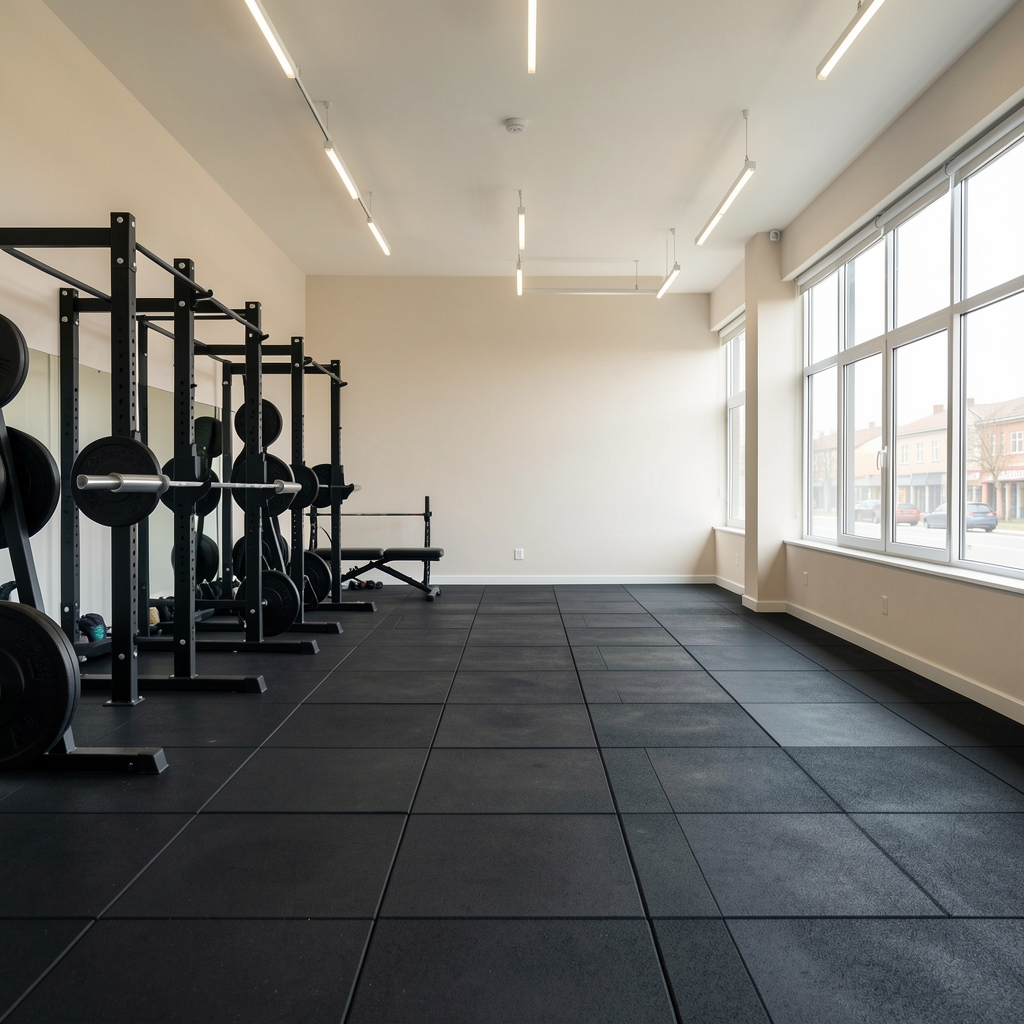
Wide-angle interior view of the Ralev training studio in Brussels Saint-Gilles, showing open floor space with rubber matting, rack and barbell equipment on left, large windows on right wall letting in natural daylight
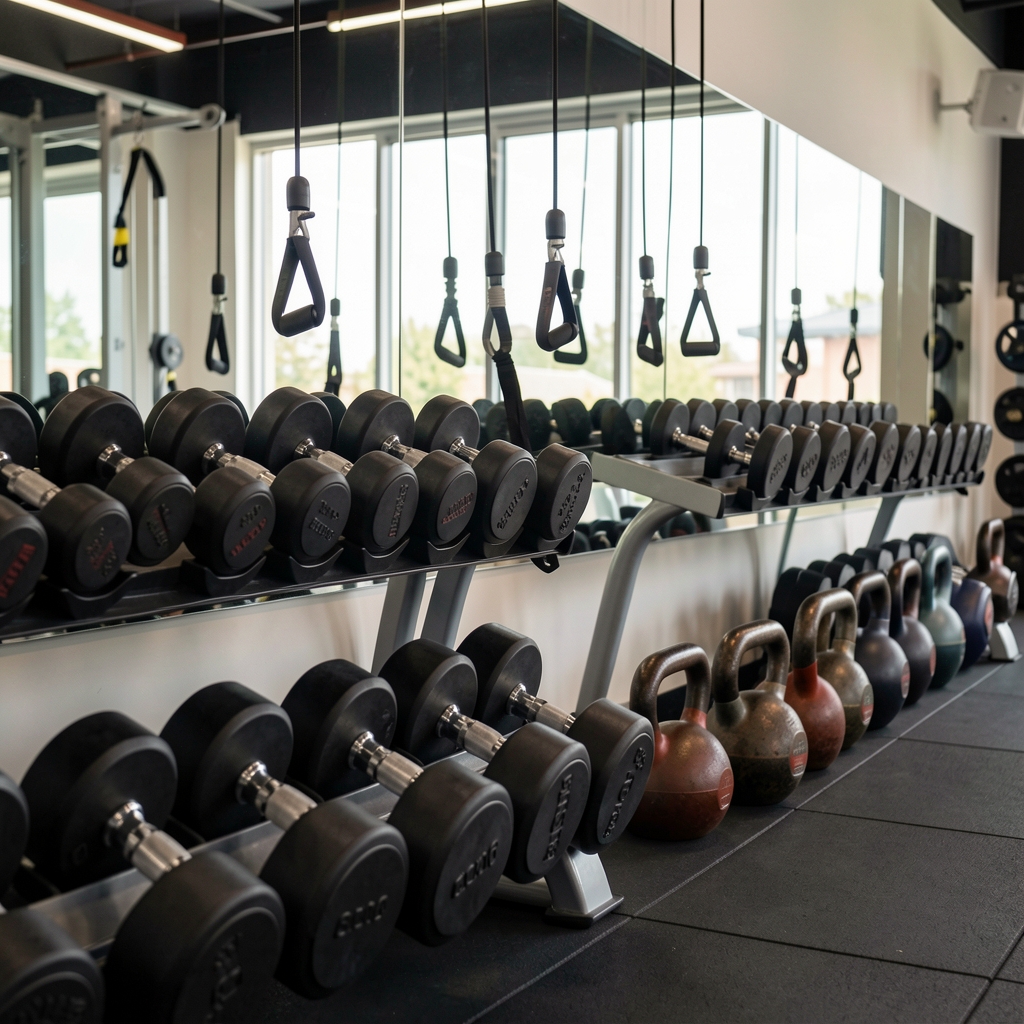
Detail shot of resistance training equipment arranged along a mirrored wall in the Ralev Brussels studio — dumbbells on rack, cable attachment points, kettlebells in ascending weight order
Corner of the Ralev coaching area showing a wooden desk, printed training schedule documents, a laptop, and a potted plant on a windowsill, natural light, neat and focused workspace

Movement-First Layout

The floor plan prioritises open space for movement screening and functional fitness work. Equipment is positioned to support, not dominate, the training environment.

Small Group Capacity

The studio is sized for groups of up to six. This is not a commercial gym — the ratio of coach to participant remains high in every session format offered.

Documentation Station

A dedicated area for session reviews, training log updates, and programme consultations. Written records are kept for every active participant across every block.

03 — Guiding Principles

Four principles that shape every programme

Principle 01

Evidence-informed structure

Programme design draws from published research in exercise science. This does not mean rigid protocol adherence — it means understanding the mechanisms behind periodisation, progressive overload, and active recovery well enough to adapt them meaningfully to individual contexts.

Principle 02

The training log as primary tool

Every session is documented. Not as bureaucratic record-keeping, but as the only reliable basis for informed adjustment. A coach who cannot refer to last week's session load cannot make a principled decision about this week's session load.

Principle 03

Posture correction before loading

Movement patterns are assessed before any loading programme begins. Identified asymmetries and mobility restrictions are addressed in early sessions. Loading is introduced progressively, with posture correction integrated throughout rather than regarded as a separate preliminary phase.

Principle 04

Lifestyle within the programme

Balanced meal guidance, sleep quality, hydration habits, and rest-day routines are folded into the programme framework — not as additional modules, but as variables that directly affect training outcomes and are therefore within scope of the coaching relationship.

04 — Professional Background
Certified Personal Trainer
Accredited personal training qualification with ongoing continuing professional development in movement and conditioning.
Strength & Conditioning
Formal study in periodisation, progressive loading principles, and sports conditioning for both individual and group settings.
Nutrition Guidance
Practical nutrition guidance qualification covering meal structure, portion awareness, and active lifestyle nutritional support.
Movement Screening
Functional movement screening certification, applied at intake for every new participant and periodically during longer-term programmes.
05 — Participant Notes
"What distinguished the approach was that the coach clearly understood my movement patterns before the first working session began. The programme that followed addressed things I had not even identified as limitations."
— Participant, One-to-One Programme — Brussels, 2023
Next Step

Begin with an initial consultation

Schedule a Consultation